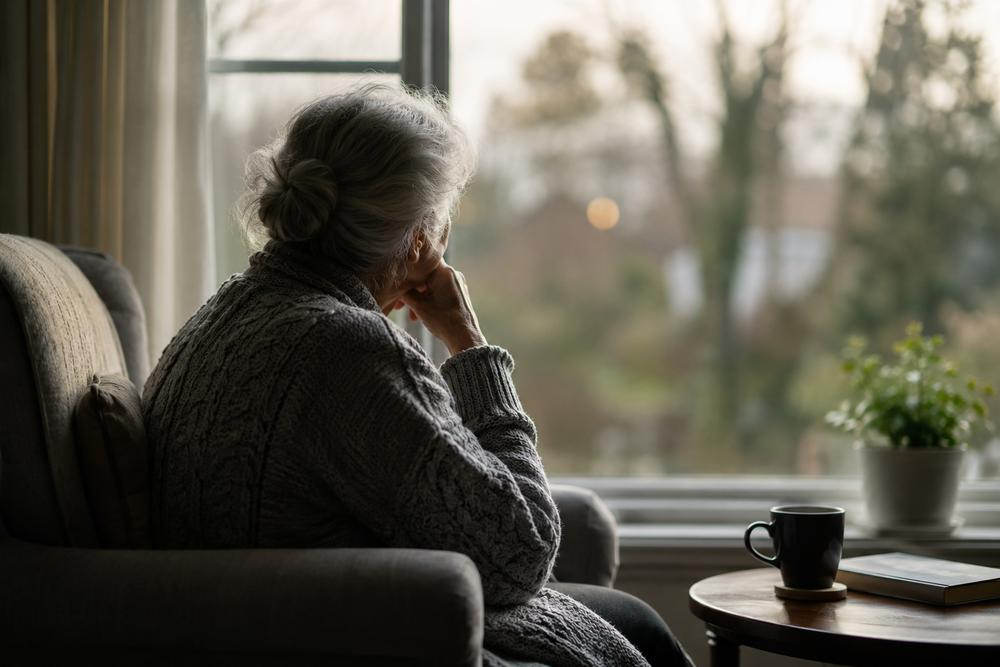
When silence grows louder than presence
Alone Is Not the Same as Lonely
As people grow older, their social worlds often change in ways that are gradual yet profound. Children build their own lives. Friends move, become ill, or pass away. Workplaces — once daily environments of interaction — fade into memory after retirement. Neighborhoods change. Mobility may decrease. What remains can be a life that looks quiet from the outside.
But loneliness is not simply being alone. It is the painful feeling of disconnection — the sense that one’s inner world is not shared, that one’s presence is less noticed, less needed, or less understood. Many older adults are surrounded by people yet feel unseen. Others live physically alone but feel emotionally connected. The difference lies not in numbers, but in emotional belonging.
Loneliness in later life is one of the most significant yet least visible emotional challenges of aging.
How Loneliness in Older Adults Develops Quietly
Loneliness rarely arrives suddenly. It accumulates through small losses and subtle shifts. A friend stops calling. A spouse is no longer there to talk at the end of the day. Physical limitations make social outings harder. Conversations become shorter. Invitations decrease. The world feels slightly more distant.
Older adults often hesitate to speak about loneliness. Many were raised in generations where emotional self-sufficiency was valued. Saying “I feel lonely” can feel like admitting weakness or burdening others.
Instead, loneliness may be expressed indirectly — through complaints of boredom, physical symptoms, or statements like “There’s nothing much to do.”
The Emotional Impact of Loneliness in Older Adults
Loneliness affects more than mood. Humans are relational beings. Being seen and responded to regulates emotional life. When that connection diminishes, emotional resilience weakens.
Chronic loneliness can bring sadness, irritability, anxiety, or a sense of emptiness. Sleep may be disrupted. Motivation may decline. Some older adults withdraw further, creating a cycle where isolation deepens loneliness, and loneliness deepens withdrawal.
At its core, loneliness often carries a sense of invisibility: Does anyone notice if I’m here? Does anyone need me?
The Loss of Roles and Identity
Many older adults experience a shift from roles that once structured their lives — parent of young children, worker, caregiver, partner. When these roles change or disappear, daily interactions decrease, but so does a sense of purpose.
Loneliness is often intertwined with this loss of identity. It is not only the absence of people; it is the absence of feeling woven into the fabric of life.
Why Modern Life Can Intensify It
Modern society moves quickly and often prioritizes productivity and youth. Older adults may feel left behind, both socially and technologically. Digital communication can maintain contact, but it can also highlight distance when others seem busy and unavailable.
Communities that once formed around shared physical spaces — neighborhoods, extended families — are less stable than in the past. This leaves fewer natural meeting points.
How Loneliness in Older Adults Affects the Body
Loneliness is not only emotional; it is physiological. Studies show that chronic loneliness increases stress responses in the body. The nervous system becomes more vigilant, as if social safety has been lost. Over time, this can affect physical health.
Understanding loneliness as a health concern, not just a feeling, highlights its importance.
Small Connections Matter
Combating loneliness does not require large social networks. What matters is meaningful connection. A single relationship where a person feels heard and valued can significantly reduce loneliness.
Simple, consistent contact — regular calls, shared meals, small routines — creates emotional continuity. Presence matters more than entertainment.
Listening without rushing, asking about memories, and showing genuine interest affirms that the person’s life story still matters.
Restoring Meaning and Contribution
Loneliness often lessens when older adults feel they still have something to offer. Sharing skills, stories, or time reactivates a sense of purpose. Intergenerational contact, volunteering, or creative activities provide opportunities for connection and contribution.
Being needed is a powerful antidote to loneliness.
The Importance of Acknowledgment
Perhaps the most healing step is simply acknowledging loneliness without shame. When older adults feel safe to say, “I feel alone,” they move from silent suffering to shared experience. Families and communities can respond not with quick solutions, but with presence.
Conclusion
Loneliness in older adults is not just the absence of company; it is the absence of felt connection. It grows through loss, role changes, and the quiet shrinking of social worlds. Yet it can soften through small, steady acts of recognition and relationship.
Being seen, heard, and remembered — these are not luxuries. They are emotional necessities at every stage of life.
Comments are closed