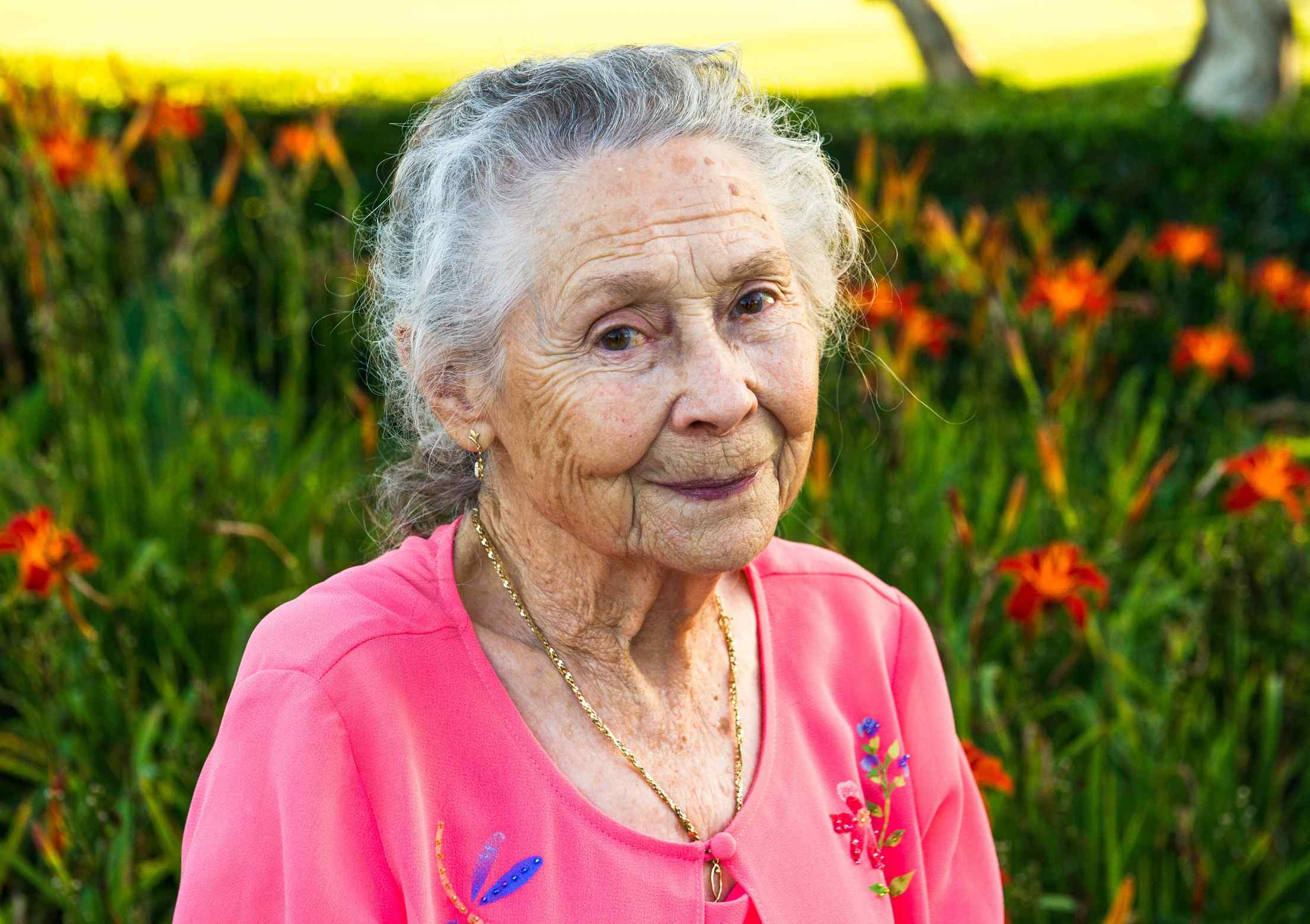
When emotional pain hides behind strength, silence, and life transitions
A Stage of Life Marked by Change
Depression in older women is often overlooked, hidden beneath a life stage typically portrayed as one of stability, wisdom, and settled identity. Children may be grown, careers winding down, responsibilities shifting. From the outside, this period can appear calmer than earlier decades.
Yet for many older women, this stage of life carries profound transitions that can unsettle emotional balance. Roles change. Bodies change. Relationships change. Social circles shrink. Loss — of parents, partners, health, or previous capacities — becomes more frequent. These shifts can quietly accumulate, creating emotional strain that may go unrecognized.
Depression in older women often hides beneath competence and resilience. Many have spent a lifetime caring for others, managing households, raising children, supporting partners, and holding families together. They are accustomed to enduring. Emotional pain may be minimized, explained away, or kept private.
Why This Period Can Be Vulnerable
Several factors converge in later life that can increase vulnerability to depression.
Hormonal changes around menopause and beyond influence mood regulation. Sleep patterns often change. Physical health conditions may emerge, bringing pain or limitation. Retirement, while welcomed by some, can also mean loss of structure, identity, and social contact.
Perhaps most impactful is the experience of loss. Friends may pass away. Children move away. Long-standing routines dissolve. Even positive changes, such as becoming a grandmother, involve identity shifts.
These experiences are not isolated events; they alter the emotional landscape.
The Emotional Experience of Loss and Identity Shift
Many older women describe a subtle sense of invisibility. As roles that once defined them — mother of young children, active professional, central caregiver — shift or diminish, they may ask: Who am I now?
This questioning can feel disorienting. The world may appear to move faster, more focused on youth and productivity. Feelings of being less needed or less seen can deepen loneliness.
Grief may not be dramatic, but cumulative. Each loss leaves a trace.
How Depression in Older Women May Appear
Depression in older women can look different than in younger adults — it may not present as intense sadness. Depression in older women may not look like intense sadness. It may present as fatigue, loss of interest, irritability, or physical complaints. A woman may say she feels “tired of everything,” or that life feels flat.
She may withdraw socially, not because she does not care, but because energy feels low. Sleep may be disturbed. Appetite may change. Thoughts may turn toward self-criticism or hopelessness about the future.
These signs are often attributed to aging itself, delaying recognition of depression.
The Role of Longstanding Patterns
Many women of older generations were socialized to be strong, self-sacrificing, and emotionally contained. They may hesitate to seek help or speak about emotional distress. Caring for others may have been their primary identity, leaving little space to notice their own needs.
Depression can surface when lifelong patterns of giving without receiving become unsustainable.
The Importance of Connection
Social connection remains a powerful protective factor. Yet later life often brings reduced opportunities for spontaneous interaction. Isolation can quietly deepen depressive states.
Meaningful connection does not have to be extensive. A few relationships where the woman feels seen and valued can make a difference.
Healing and Support
Depression in older women responds to care just as at any age. Psychological support can help process loss, identity changes, and unresolved emotional experiences from earlier life stages. Therapy can also support the development of new sources of meaning.
Medical evaluation is important, as physical conditions and medications can influence mood.
Encouragement from family members to seek support, offered with respect rather than pressure, is helpful.
Rediscovering Meaning
Later life is not only a period of loss; it can also be a time of integration. Freed from some earlier roles, women can explore interests, relationships, and aspects of self that were previously secondary.
Depression narrows perspective, making this possibility hard to see. Supportive care helps widen the horizon again.
Conclusion
Depression in the older woman often hides behind strength and silence. Life transitions, losses, and identity shifts can quietly erode emotional well-being. Recognizing this vulnerability is not pathologizing aging; it is honoring the emotional reality of this stage.
With understanding, connection, and support, older women can move through depression toward renewed meaning and presence — not by returning to who they were, but by integrating who they have become.
Comments are closed