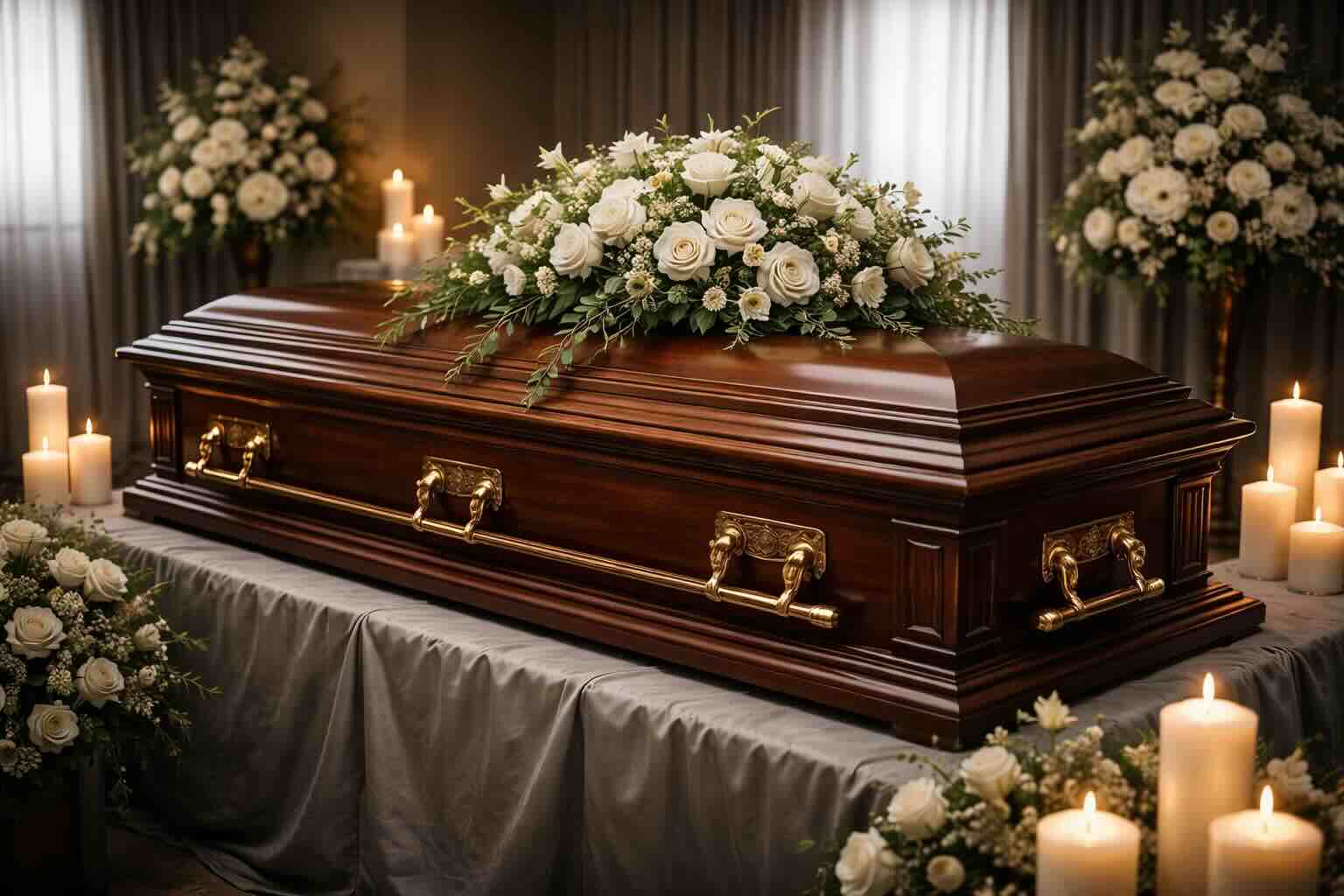
The Human Refusal to Disappear
Human beings know they will die. This awareness shapes culture, religion, art and relationships. It is one of the most defining features of our species. Yet alongside this awareness exists something equally powerful: the refusal to disappear.
Symbolic immortality is the psychological way we transcend biological limits. It is the sense that, even when the body ends, something of us continues.
Not literally. Not physically. But meaningfully.
Beyond Biological Survival
In evolutionary terms, survival was once primarily about reproduction. Passing on genes ensured biological continuity. But humans seek more than genetic legacy. We seek narrative continuity.
We want our names remembered. Our work preserved. Our children shaped by our values. Our stories retold.
Symbolic immortality allows the self to extend beyond lifespan. It transforms mortality from annihilation into transition.
Children as Continuity
For many, children are the most immediate form of symbolic immortality. Through them, family traits, stories and traditions continue. A gesture, a phrase, a way of laughing survives across generations.
Parenthood often reshapes identity in part because it offers this continuity. The self becomes woven into the future.
Yet symbolic immortality is not limited to biological lineage.
Creation as Legacy
Artists, writers, scientists and builders leave behind tangible contributions. A book, a painting, a discovery, a structure—these become vessels of continuation.
Creation transforms fleeting life into something that endures. Even small acts—planting a tree, mentoring a student, starting a community initiative—extend influence beyond immediate time.
To create is to assert presence against impermanence.
Cultural and Spiritual Frameworks
Religions and cultural systems provide structured forms of symbolic immortality. Rituals honour ancestors. Names are preserved. Monuments are erected. Collective memory sustains identity.
Belief in an afterlife offers literal continuity, but even secular individuals often participate in symbolic systems. National identity, cultural heritage and shared values create belonging to something larger than the individual lifespan.
To belong to a tradition is to exist within a story that preceded us and will continue after us.
Everyday Forms of Immortality
Symbolic immortality does not require fame or monument. It exists in quieter forms.
In the way a teacher influences a student.
In the habits a parent instils.
In the kindness remembered years later.
Our impact lives in other nervous systems. We shape how others think, feel and act. This relational imprint persists long after specific moments fade.
In this sense, no human life is entirely contained within its own years.
Anxiety and the Fear of Erasure
The desire for symbolic immortality is deeply linked to existential anxiety. If death means total erasure, then meaning feels fragile. Symbolic continuity softens this fear.
When people feel that their lives matter within a broader narrative, mortality becomes less terrifying. Meaning buffers anxiety.
Conversely, when individuals feel disconnected from community, legacy or purpose, existential distress often intensifies.
Symbolic immortality is not denial of death. It is a psychological strategy for integrating it.
The Double Edge
Yet symbolic immortality has complexity. When the need for legacy becomes rigid, it can drive perfectionism, power struggles or fear of insignificance. The pursuit of lasting recognition can distort priorities.
Healthy symbolic immortality rests not on grandiosity, but on contribution. It recognises that continuation need not be monumental to be meaningful.
Living Forward
Ultimately, symbolic immortality invites a question: What of me will continue?
Not in ego, but in influence. Not in control, but in participation.
Perhaps immortality lies not in permanence, but in transmission—of values, of compassion, of knowledge, of love.
We cannot stop biological time. But we can shape the traces we leave.
And in knowing that something of us will echo—however quietly—we find courage to live more fully now.
Comments are closed